

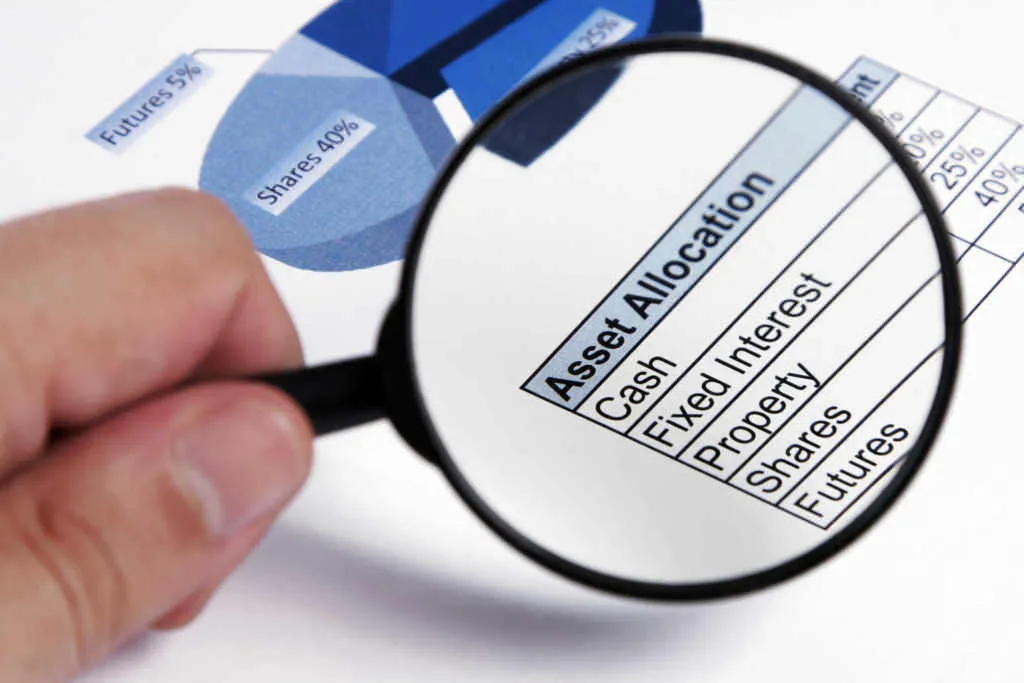
A well-structured investment portfolio is built on more than choosing individual investments. Understanding the different asset classes and how they work together can help investors create a strategy that is aligned with their goals, time horizon, and comfort with investment risk.
Stocks, bonds, cash, and alternative investments each have different characteristics, potential benefits, and risks. The right combination depends on your individual financial circumstances and objectives.
At DHF Capital, we believe a thoughtful asset allocation strategy can be an important part of building and managing a diversified investment portfolio.
Here is an overview of four major asset classes and the role they may play in an investment strategy.
1. Stocks
How they work
Stocks, also known as equities, represent an ownership interest in a company. When you purchase shares, you become a shareholder and may benefit if the company grows and its stock increases in value.
Some companies also pay dividends to shareholders.
Stocks can be categorized in many ways, including by company size, industry, geography, and investment characteristics.
Potential benefits
Stocks have historically offered greater long-term growth potential than many other traditional asset classes. This potential can make equities an important component of a long-term wealth-building strategy.
Risks to consider
Stocks can experience significant price fluctuations. Their value may decline because of company-specific issues, economic conditions, market sentiment, or broader financial events.
Past performance does not guarantee future results.
2. Bonds and Fixed Income
How they work
When you purchase a bond, you are generally lending money to a government, municipality, corporation, or other issuer.
In exchange, the issuer typically makes interest payments according to the terms of the bond and returns the principal when the bond matures, assuming the issuer meets its obligations.
Common types of bonds include:
- Government bonds
- Corporate bonds
- Municipal bonds
- Treasury securities
Potential benefits
Bonds and other fixed-income investments can provide income and may help provide greater stability within a diversified portfolio.
Certain types of bonds may also offer specific tax advantages depending on the investor’s circumstances.
Risks to consider
Fixed-income investments are not risk-free. Important risks can include interest-rate risk, credit or default risk, inflation risk, and liquidity risk.
Generally, when interest rates rise, existing bond prices may decline, although the relationship can vary depending on the security and market conditions.
3. Cash and Cash Equivalents
How they work
Cash and cash equivalents generally include highly liquid, relatively short-term holdings.
Examples can include:
- Checking and savings accounts
- Certificates of deposit (CDs)
- Money market funds
- Short-term U.S. Treasury securities
Potential benefits
Liquidity is one of the primary advantages of cash and cash equivalents. These assets can provide readily accessible funds for emergencies, near-term expenses, and short-term financial objectives.
Maintaining an appropriate cash reserve can also help investors avoid having to sell longer-term investments to cover unexpected expenses.
Risks to consider
The tradeoff for liquidity and relative stability is generally lower long-term growth potential.
Cash can also face inflation risk. If the purchasing power of your money declines faster than your savings or investment returns grow, your cash may lose real purchasing power over time.
4. Alternative Investments
How they work
Alternative investments generally refer to assets and strategies outside traditional stocks, bonds, and cash.
Depending on eligibility and availability, alternatives may include:
- Private equity
- Hedge funds
- Private real estate
- Commodities
- Managed futures
- Certain derivatives
- Collectibles and other specialized assets
Potential benefits
Some alternative investments may provide diversification because their performance may not move in the same way as traditional stocks and bonds.
Certain alternatives may also offer opportunities for different sources of return.
Risks to consider
Alternative investments are not appropriate for every investor. They can involve greater complexity, higher fees, limited liquidity, substantial minimum investments, and significant investment risk.
Some alternative investments may also have limited transparency or restrictions on when investors can access their money.
Careful due diligence is important before considering these types of investments.
Why Asset Allocation Matters
Understanding individual asset classes is only part of the investment process. The next step is determining how different assets should work together within your portfolio.
Asset allocation refers to how your investments are divided among different asset classes.
Your appropriate allocation may depend on factors such as:
- Your financial goals
- Investment time horizon
- Risk tolerance
- Income and financial resources
- Liquidity needs
- Tax considerations
- Existing investments
- Changing life circumstances
A diversified portfolio isn’t necessarily one that contains every possible investment. Instead, diversification is about thoughtfully spreading investments across different assets, securities, sectors, and other characteristics to manage risk.
Finding the Right Investment Mix
There is no single asset allocation that is appropriate for everyone.
An investor with a long time horizon and a greater tolerance for market fluctuations may have a different allocation than someone with shorter-term financial goals or a lower tolerance for risk.
Your investment strategy should be connected to the goals your portfolio is designed to support.
At DHF Capital, we help clients evaluate their financial objectives and develop investment strategies that consider asset allocation, diversification, risk management, and long-term goals.
Our broader approach can also incorporate financial planning, retirement planning, risk management and insurance, tax planning, and estate planning.
Build Your Portfolio With Purpose
The goal of investing isn’t simply to own more investments. It’s to build a strategy that makes sense for your financial life.
Understanding asset classes can help you better understand the role different investments may play in your portfolio, and why having a thoughtful, diversified strategy matters.

Leave a Reply